The Movie Wall,
Exhibit Edition
Every picture shot in Astoria, presented with the artwork that actually sold it: the films' own posters, title treatments, and iconography, exhibited and credited. The earlier typeset study is superseded. Nothing on these walls is an imitation of a poster. Each piece is one.
The Seat's Study
One designer was seated for this wall alone, and sent to school before being allowed to hang a single poster. These are the specimens the seat actually studied, and the grammar it brought back.
- Drew Struzan, The Goonies one-sheet (1985). The cast painted mid-fall from a cave stalactite, the title hand-lettered into the art. Struzan's studio comps show the composition argued out in paint before a word was set. This wall's hero exhibit is his sheet itself.
- Saul Bass, The Man with the Golden Arm (1955) and Anatomy of a Murder (1959). The poster as a one-sentence reduction of the film: Bass said he compressed “a big, fluffy, wonderful thing” into “a little white tablet.” One gesture, cut by hand, no scene illustrated.
- Bob Peak, Apocalypse Now key art (1979). Watercolor on board, a single face carrying a whole war: the montage energy of the painted sheet at the moment photography was taking over.
- Richard Amsel, Raiders of the Lost Ark (1981; re-release 1982). Amsel's surviving comps run from a pencil rough the size of a stamp to the final sheet with the layout already exact: composition first, likeness second, always.
- The WPA Federal Art Project, See America (c. 1936-39). Federal silkscreens by Alexander Dux, Frank S. Nicholson, and their shops, held at the Library of Congress: broad planes of flat color, unadorned type, a landscape composed like a promise. Dayze's own family, studied fresh for this wall.
- Mary Blair, concept styling for Disney (the It's a Small World paintings). Whole worlds decided as color before detail: unlikely chords of gouache, shapes a child can read at a glance and an adult can feel.
- Eyvind Earle, backgrounds and color keys for Sleeping Beauty (1959). Gothic tapestry detail held inside bold flat silhouettes: meticulous and minimal at once, a forest you could hang on a wall.
Every great sheet on the study wall says the whole film in a single image and a single gesture. So the wall itself must read as one picture from across the room: one hero scale, one register per wall, no twenty-four-way shouting match.
Struzan letters The Goonies into the painting; Amsel builds Raiders around its lettering; Bass cuts his type from paper. Lettering is artwork. That is why this wall exhibits the real title treatments and imitates none of them.
The Federal Art Project sheets are silkscreen: unbroken planes of color, the grain of ink on paper, nothing blurred into fog. The wall's own furniture (mastheads, bands, labels) is set in flat Dayze color and plain type, and stays out of the posters' way.
Blair decides the feeling with color chords before a single detail lands; Earle reduces a forest to bold true shapes and lets pattern sing inside them. On this wall the registers are color decisions: gallery green for the hang, river steel for the years, sun yellow for the sign.
Bass's shapes keep the trace of the scissors. A hard edge is a decision; a soft gradient is an apology. The wall's frames, bands, and bays are cut square and final, and the one cold object on the wall (The Ring Two) is allowed to stay cold.
Then that person is a painter-showman trained in silkscreen and gouache, who believes a poster is a promise made in one image, letters the title by hand into the picture, prints it in flat honest color, and cuts every shape like he means it. These two walls are hung the way he would hang his own life's work.
Design A · The Exhibition Wall
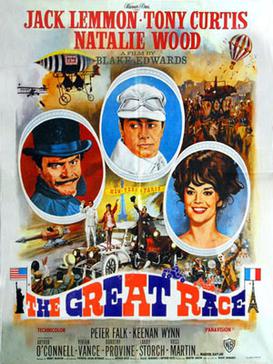
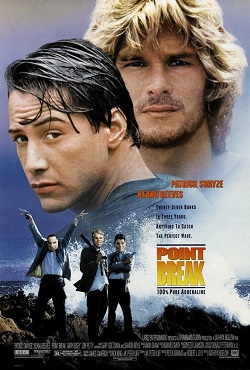
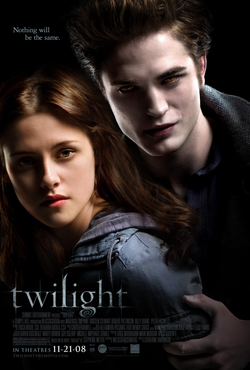
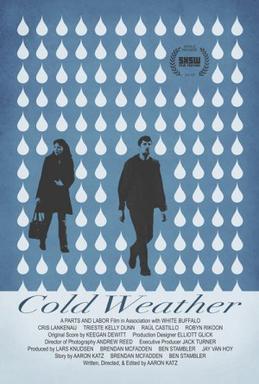
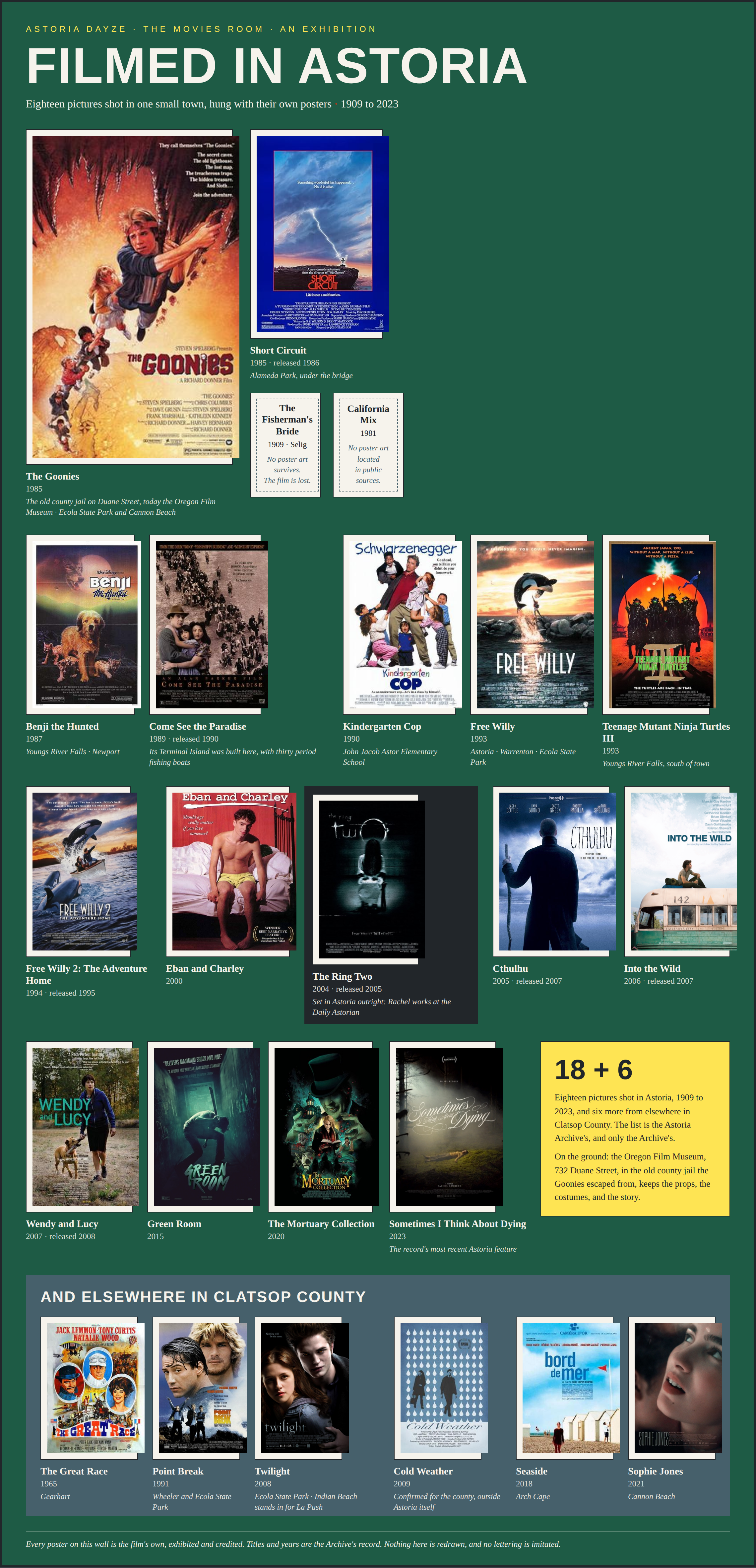
A museum hang in channel green. The Goonies takes the hero bay at full one-sheet scale, Short Circuit stands beside it, and the two titles with no surviving art hang as labeled empty frames, first in line, not hidden. Below, the salon rows run oldest to newest; The Ring Two sits in a tar-black bay, the one cold object in a warm room; the county six hang in their own steel register at the foot. The wall is furniture: green, cream mats, small true labels.
Filmed in Astoria
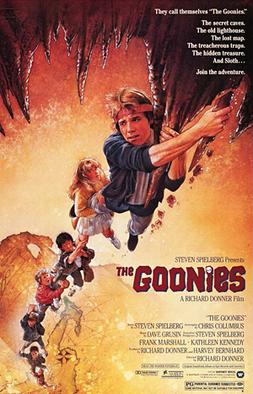
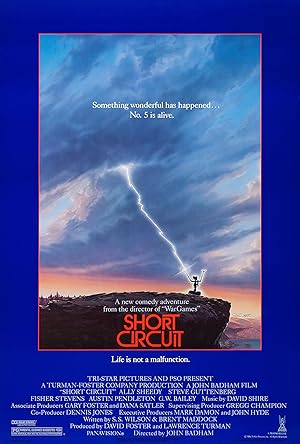
The film is lost.
in public sources.
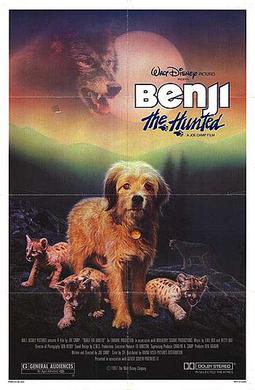
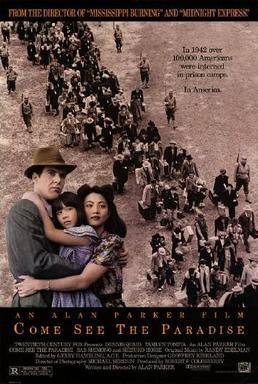
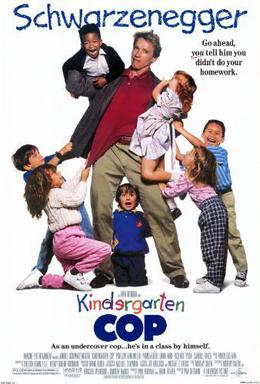
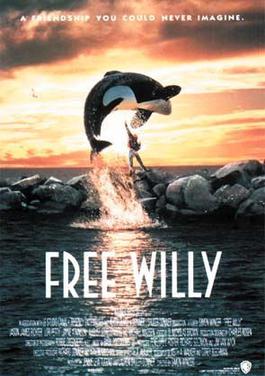
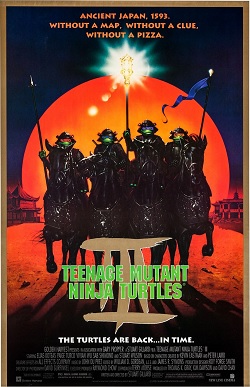
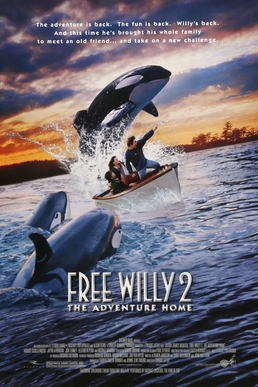
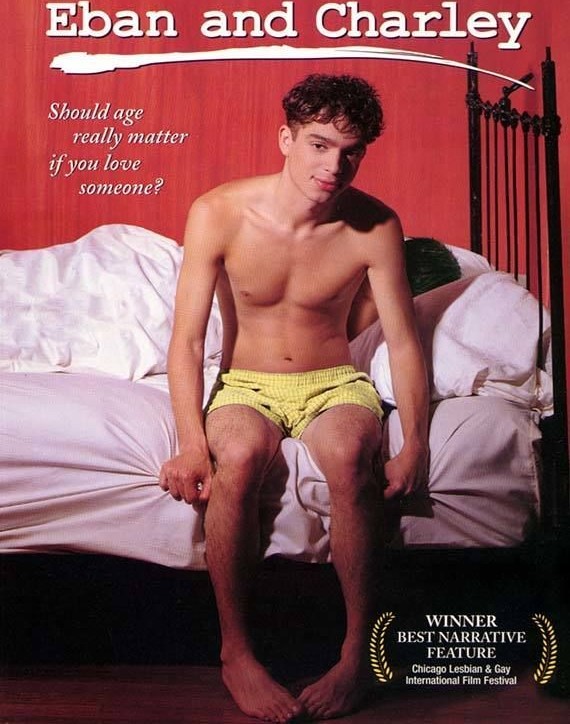
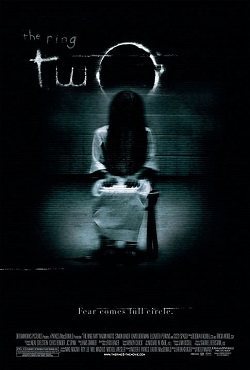
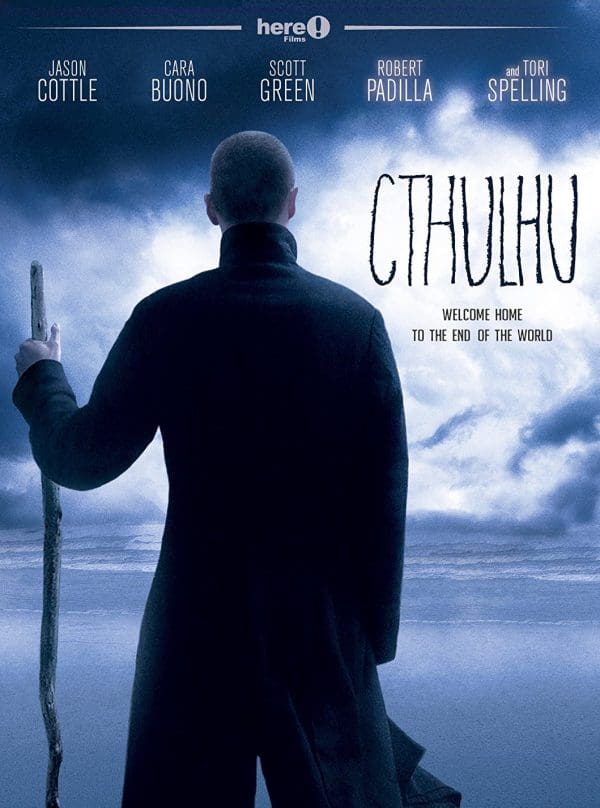
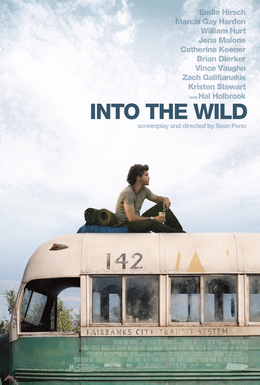
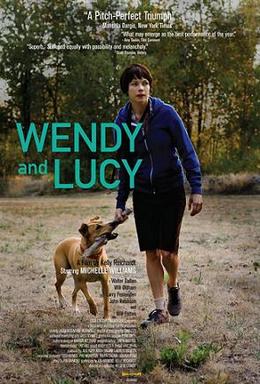
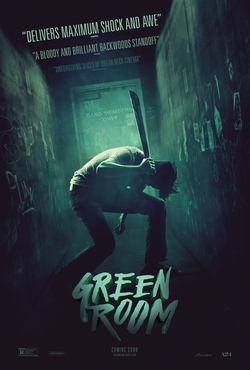
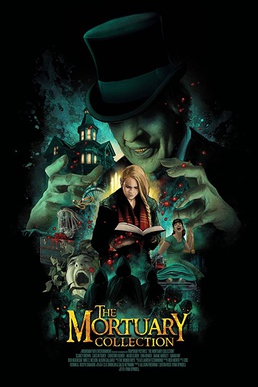
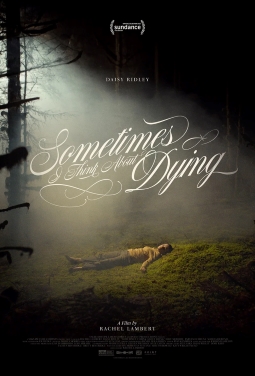
Eighteen pictures shot in Astoria, 1909 to 2023, and six more from elsewhere in Clatsop County. The list is the Astoria Archive's, and only the Archive's.
On the ground: the Oregon Film Museum, 732 Duane Street, in the old county jail the Goonies escaped from, keeps the props, the costumes, and the story.
Design B · The River of Years
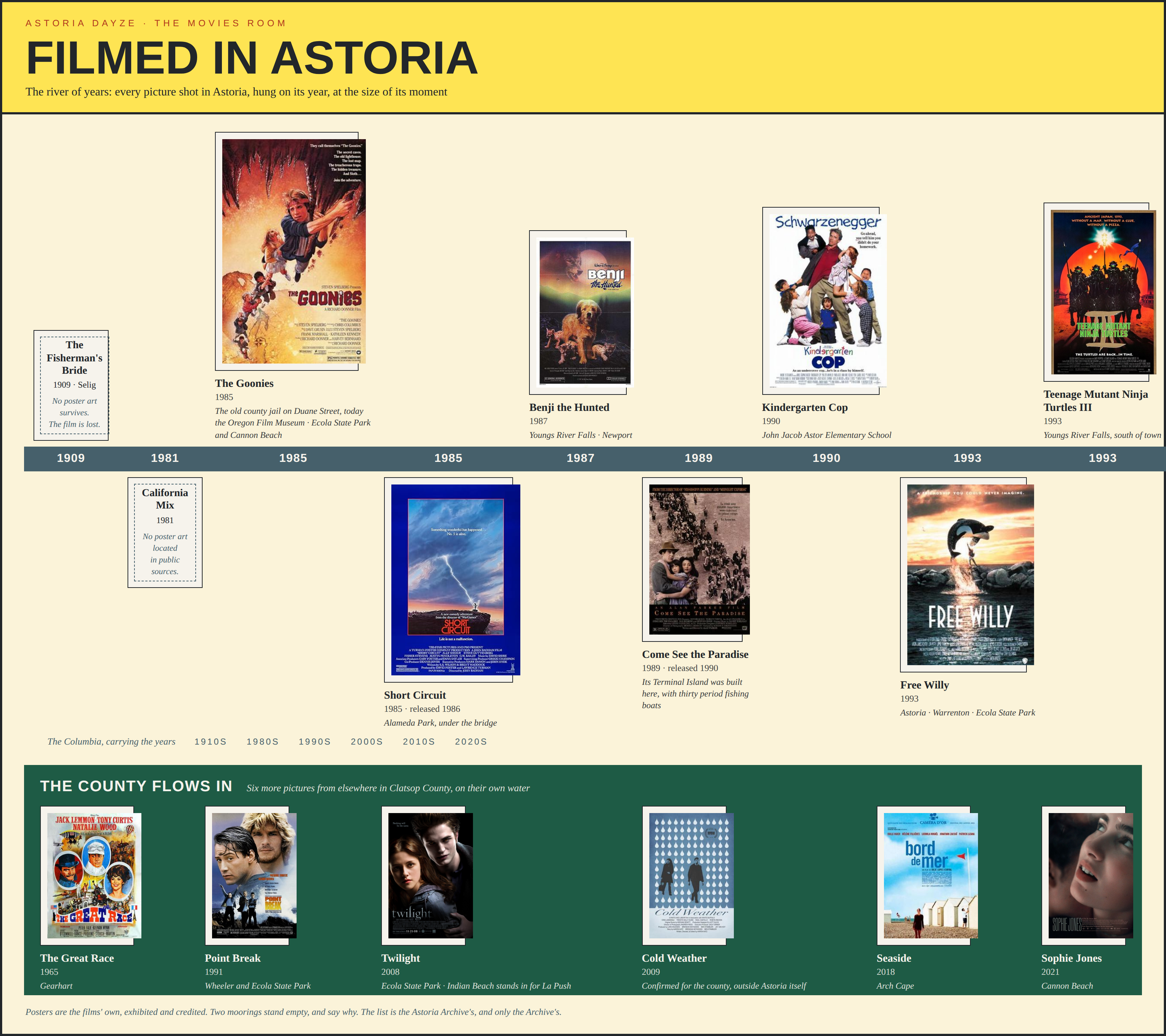
No wall at all: a river. The titles hang above and below a band of river steel, each on its own year, each at the size of its moment. The shape of the town's film history becomes visible as a river profile: a small empty mooring in 1909, seventy quiet years, then the flood crest of 1985 to 1995, then the independent years, smaller water, still flowing. The county six arrive as a tributary in channel green.
Filmed in Astoria
The film is lost.
in public sources.
Credits and Gaps
The count
22 of the 24 titles carry real, sourced poster art: 16 of 18 Astoria titles and all 6 county titles. The full ledger, with poster artists and sources title by title, is filed with this study as assets/CREDITS.md.
The two absences
The Fisherman's Bride (1909): the film is lost and no poster art survives. California Mix (1981): no poster art could be located in public sources. Both hang as designed absences that say so, in both designs. An unverified database image for another title was caught by eye, proved to be a different film entirely, and was rejected rather than hung.
The skull, honestly
The skull and treasure-map imagery Steven named lives in The Goonies' wider key art, including Drew Struzan's map-style art, not on the release one-sheet exhibited here. Adding the map-style sheet as a second Goonies exhibit is the production step if Steven wants the skull on the wall; it was not silently substituted in a study about exhibiting the real thing.
Small print
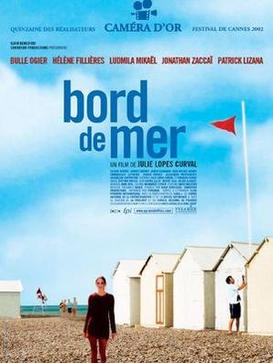
Seaside is exhibited in its French release poster, the art its own distributor made for it, and the ledger says so. Poster files here are study-resolution exhibits gathered for a design ruling; production licensing and high-resolution sourcing are a later, separate step.
The Seat's Record
Ranking, with reasons
Design A for the room; Design B for the print. The Movies room is a place a visitor stands in, holding a phone. A behaves like a wall in a place: it reads at phone width without a sideways scroll, its green is the evening register of the room, and the tar bay gives The Ring Two its chill inside the composition rather than as an exception to it. B is the better argument (the history's shape is the artwork) but it is a wide-screen and paper idea: at phone width its river flattens into a list with a blue stripe. Hang A in the room; print B as the room's take-home sheet, where its width is an asset and its profile can be studied at leisure.
The seat disagrees, on the record
Both designs obey the Archive's hierarchy: Astoria first and large, the county as a lesser register (a band in A, a tributary in B). The seat disagrees with the hierarchy itself. To a visitor's eye, Point Break and Twilight are headliners, and hanging them as footnotes is the record's geography winning over the audience's recognition. If Steven rules the hierarchy stands (it is, after all, an Astoria site), the seat accepts the ruling and the designs already embody it. The disagreement is recorded so the choice is made with eyes open, per house rule.
Facts (titles, years, place lines): the Astoria Archive's confirmed film record, carried from the superseded study, which stands corrected on method only. Artwork: the films' own posters, credited in assets/CREDITS.md. Study specimens: named in the Seat's Study above.